2026 November
Birdlife Australia Gluepot Reserve trip
Hello Again.
Another recent trip, just a few short days but was so good to get back to Gluepot after all the rain they have had this year, the dams all still had water in them which made seeing the birds such a treat!
Such a fabulous spot to go and immerse yourself in nature, always something to see and a huge thank you to Birdlife Australia, the Rangers and all the volunteers who spend so much time and effort maintaining this beautiful park for us to enjoy.
Gluepot is part of the largest block of intact mallee left in Australia and so the viability of threatened bird populations and other flora and fauna is high. Six nationally threatened bird species can be found on Gluepot Reserve and a further 17 regionally threatened bird species. In all, 190 bird species have been recorded thus far. Gluepot Reserve has a diversity of vegetation communities which support important wildlife other than birds.
I have visited this area a few times now, hope you enjoy some more images from my latest trip?
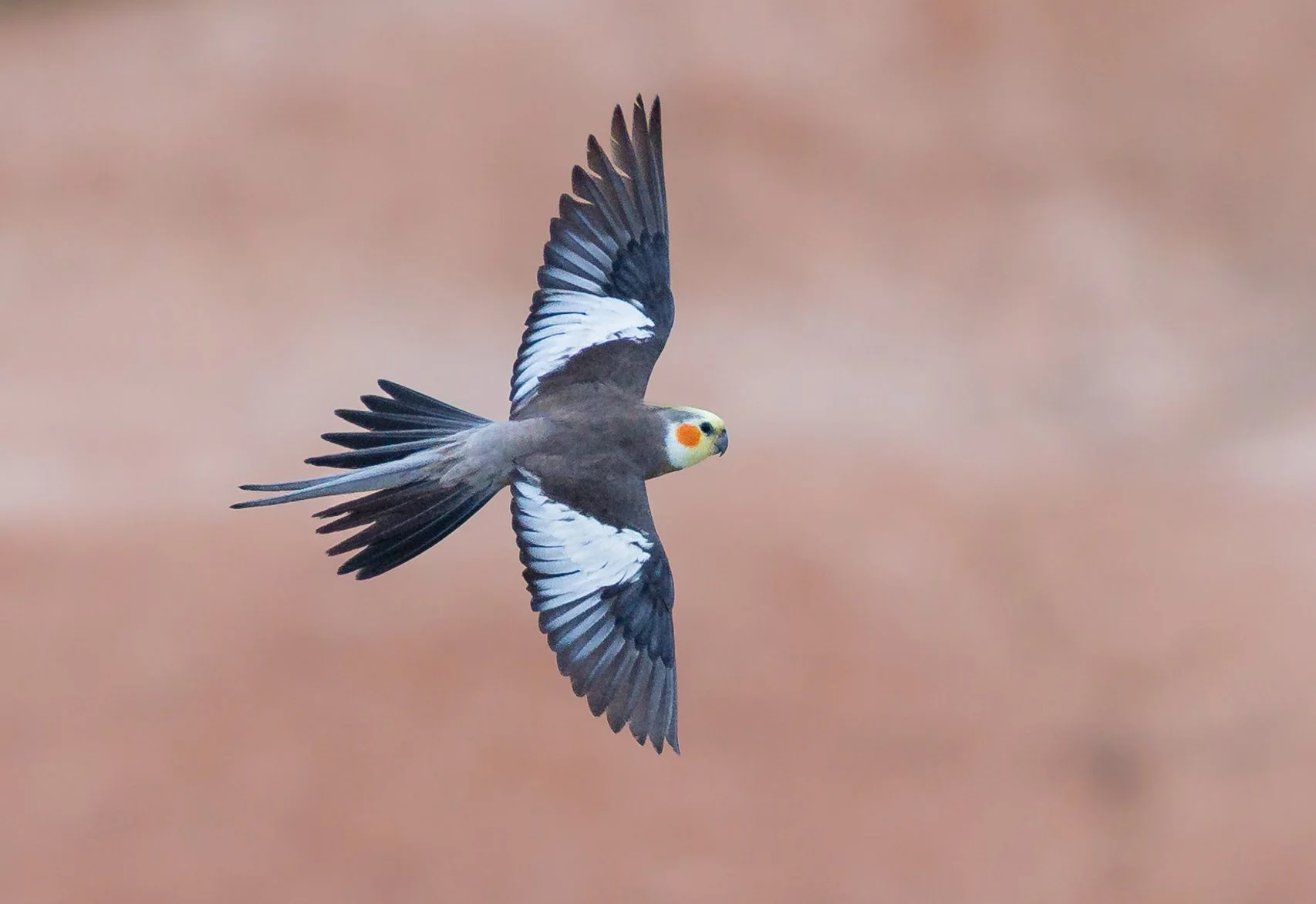
Cockatiel - ( Male ) Nymphicus hollandicus Cockatiels are brownish-grey parrots with a wispy, gently-curved crest. Mostly brownish grey with a prominent white patch on the wings, Cockatiels have a distinctive head pattern comprising a yellow face with a bright orange ear patch, and a long grey and pale-yellow head crest. Males are brighter than females, and juveniles look like females.
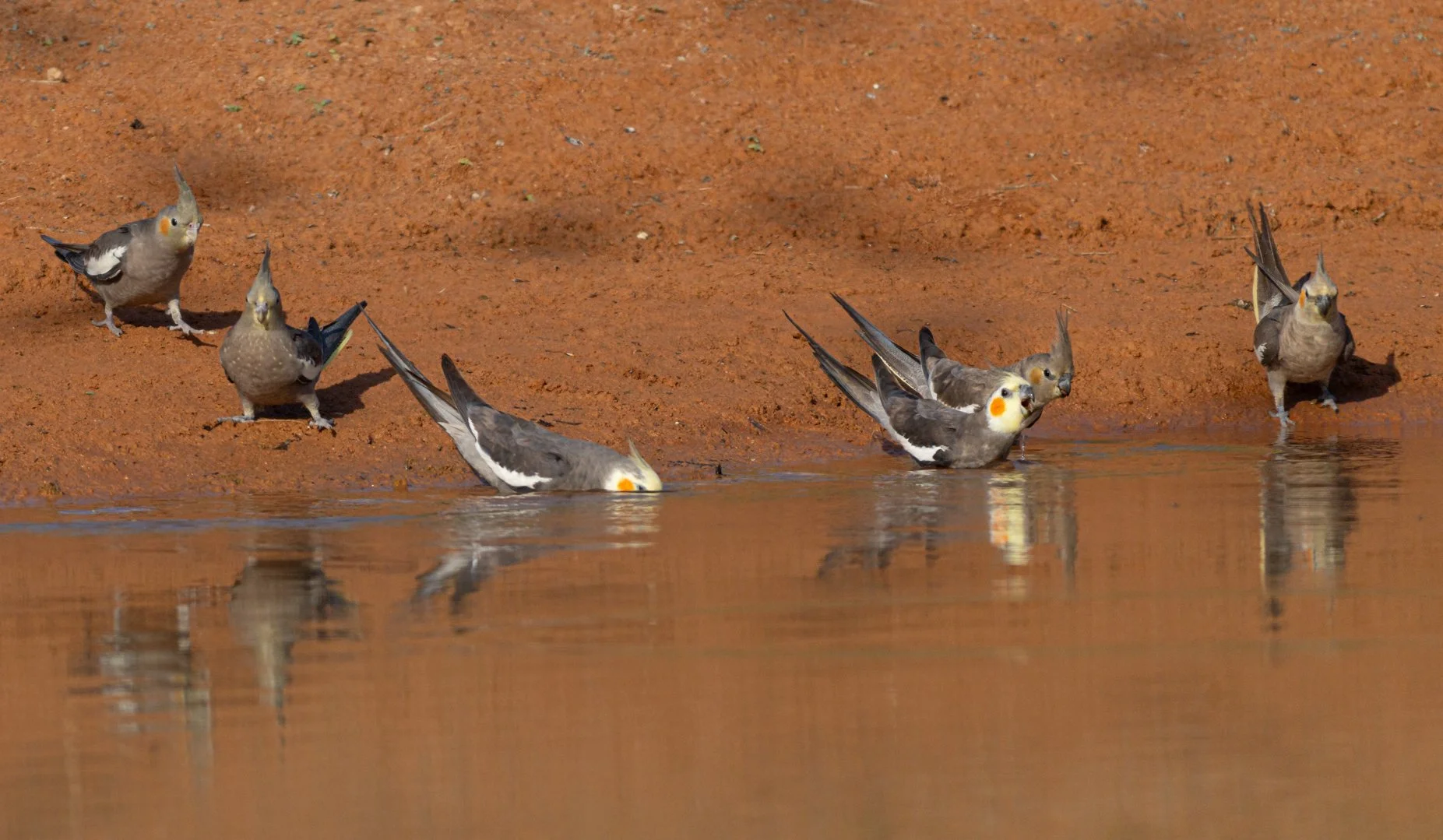
Cockatiel -Nymphicus hollandicus
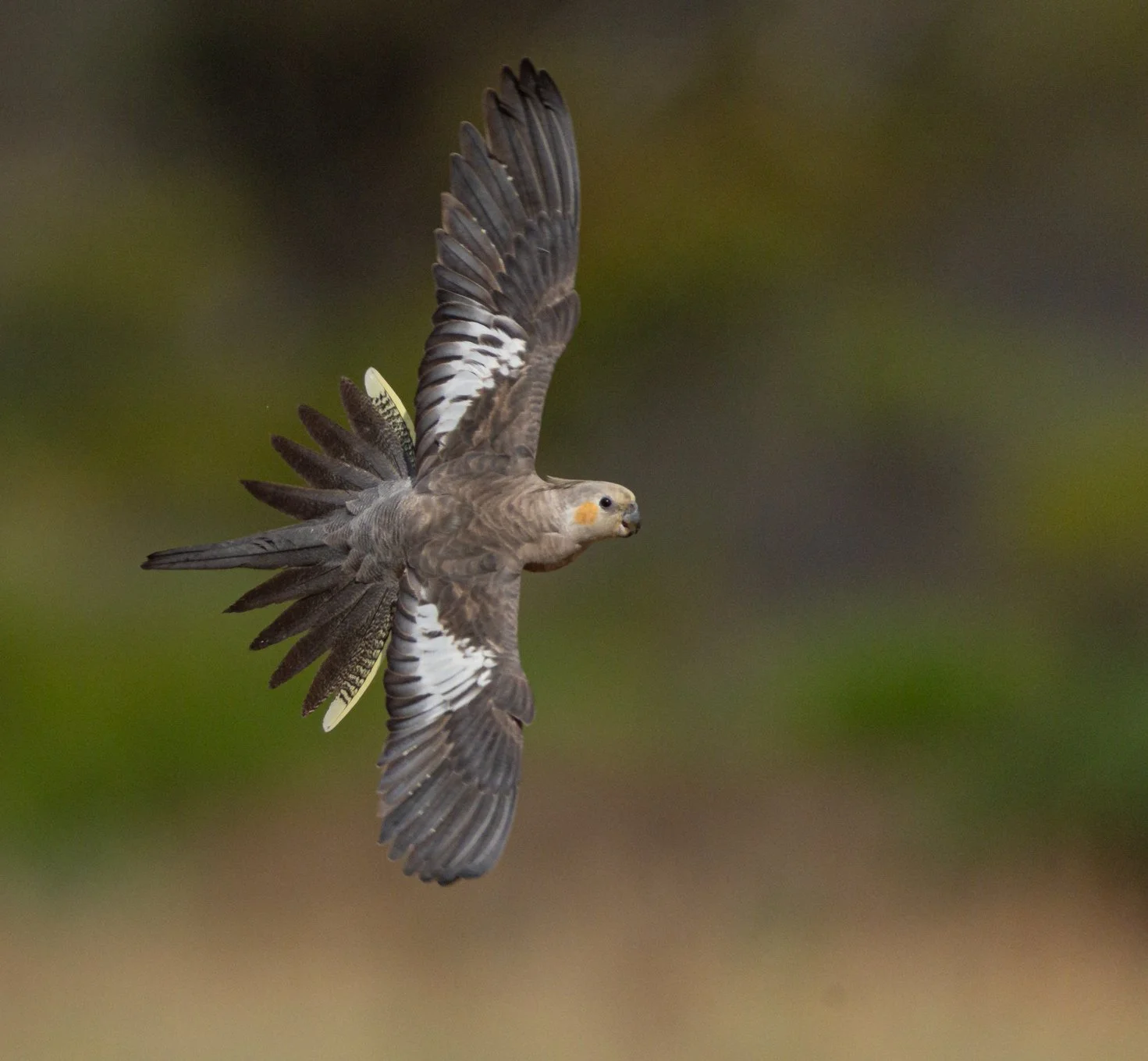
Cockatiel - ( female ) Nymphicus hollandicus
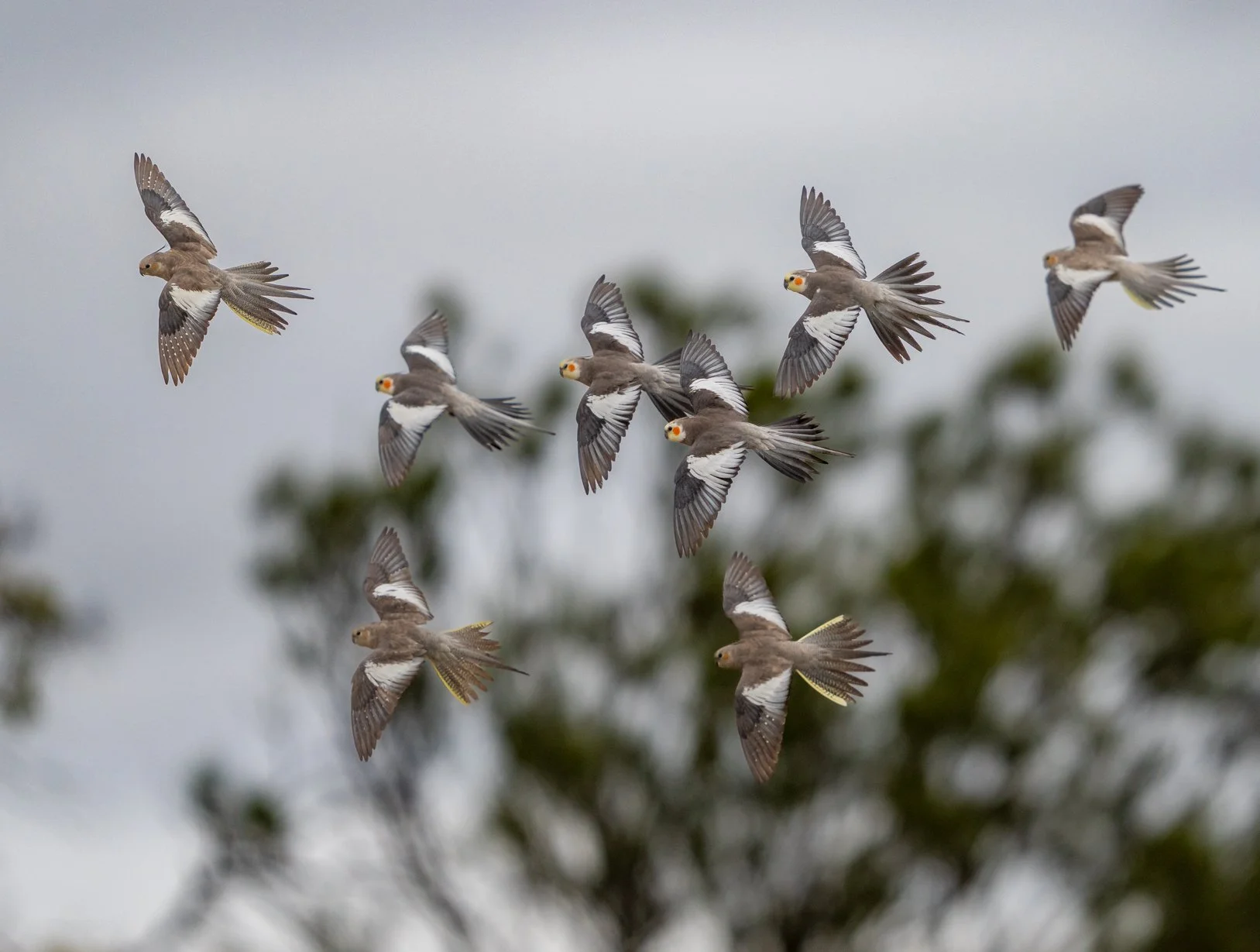
Cockatiel’s - Nymphicus hollandicus
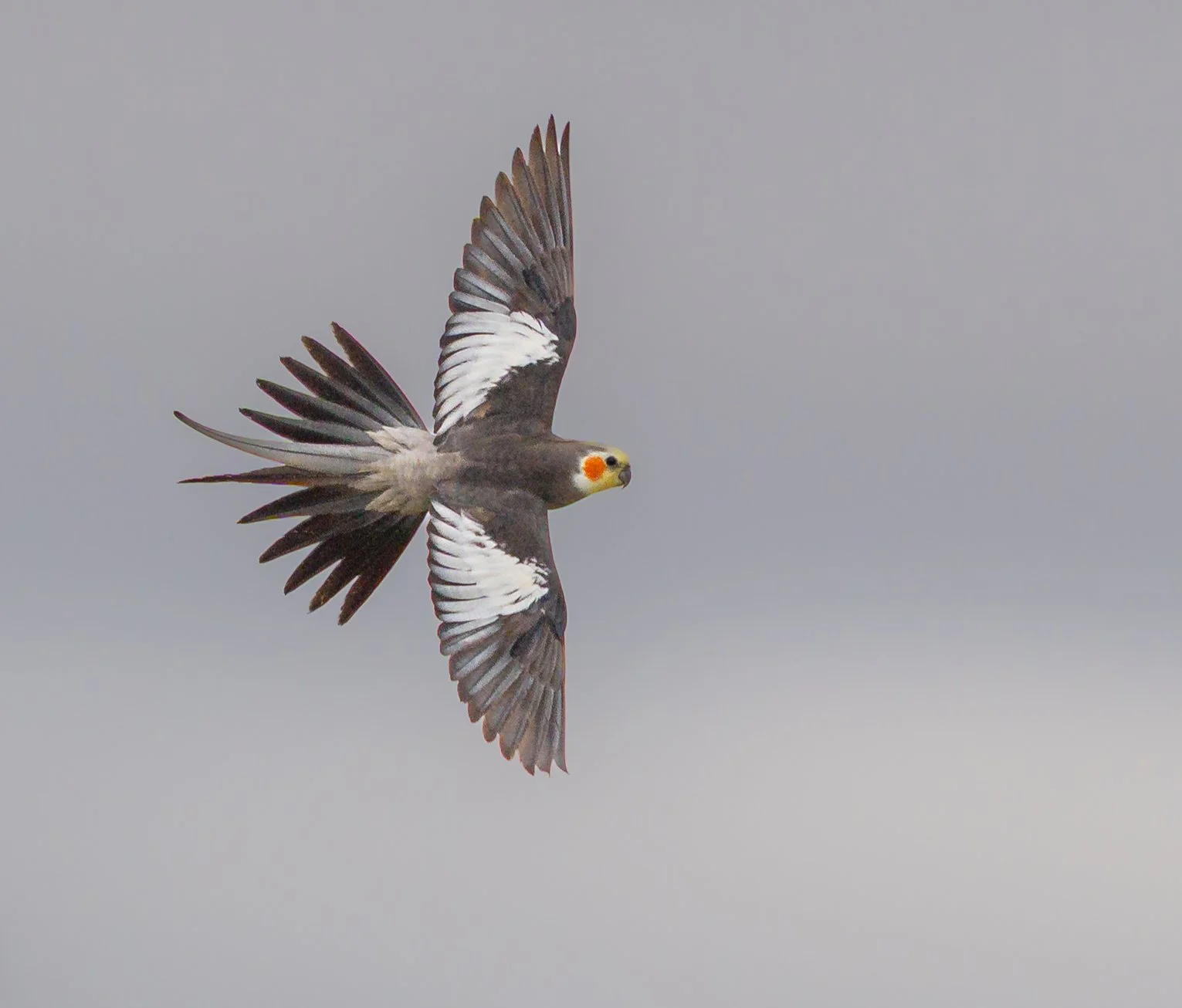
Cockatiel - ( Male ) Nymphicus hollandicus
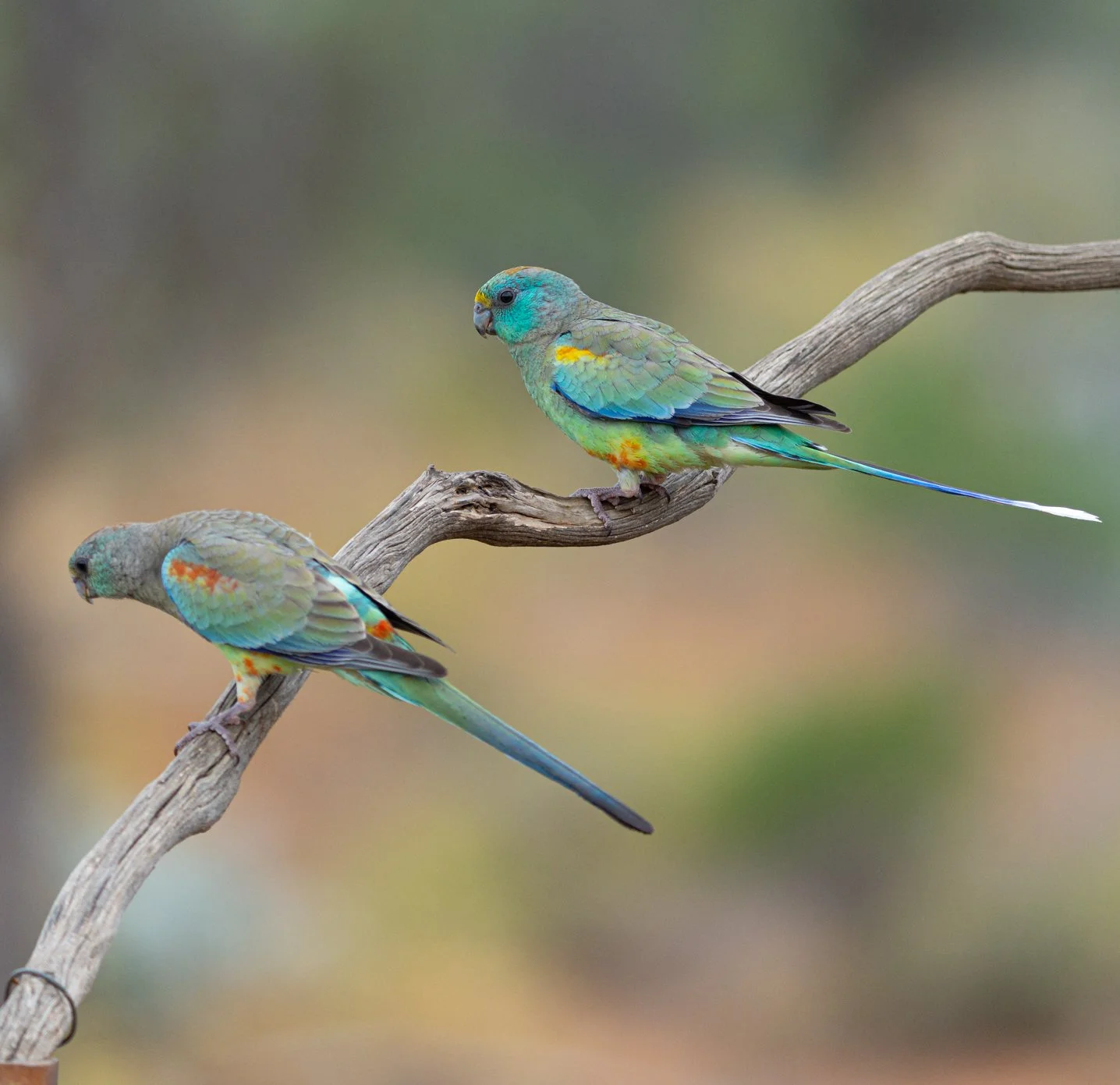
Mulga Parrot Psephotus varius…
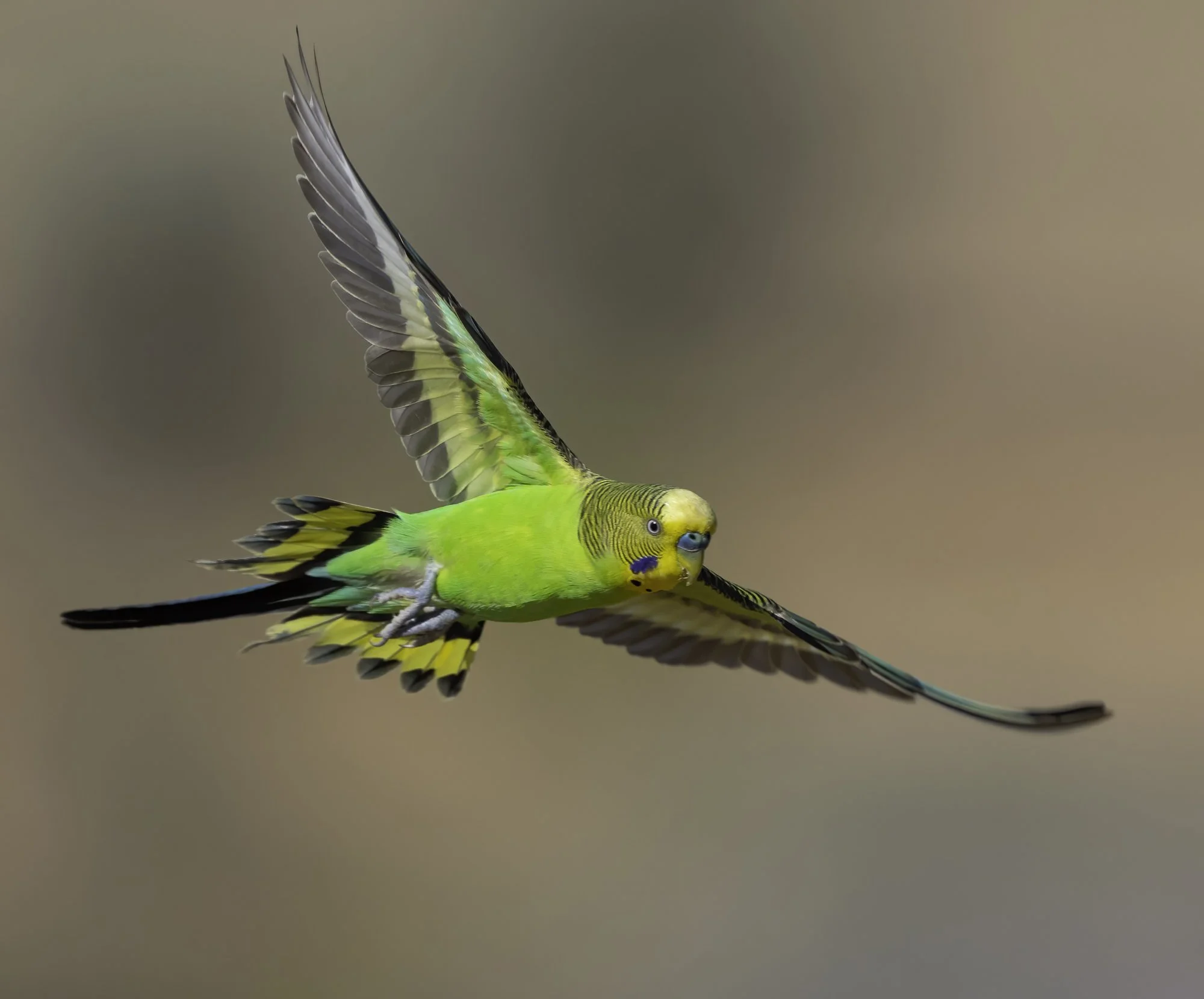
Budgerigar Melopsittacus undulatus
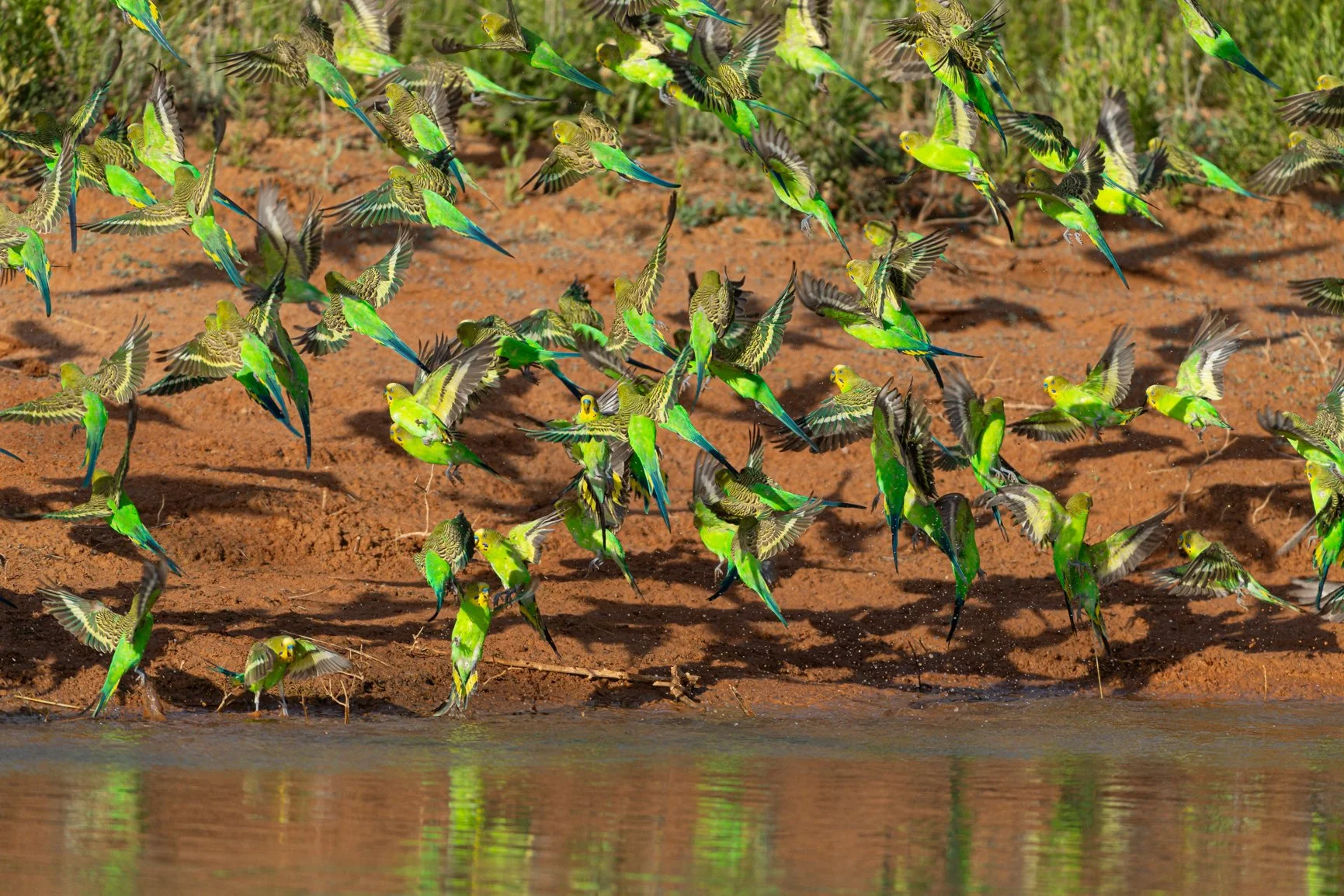
Budgerigar Melopsittacus undulatus - Since its introduction into captivity, the Budgerigar (or ‘budgie’) has been bred into a variety of colour forms, including pure white, blue, yellow, mauve, olive and grey. In the wild, Budgerigars are small green and yellow parrots, with black barring above, and a small patch of blue on the cheek.
The male has a dark blue cere (skin at the base of the upper mandible surrounding the nostrils). In the female, this is brownish when breeding and light blue otherwise. Young Budgerigars are similar to adult birds, but are duller and have a dark brown eye (which is white or yellow in adults). Their average size is 18cm and their average weight is 28 grams.
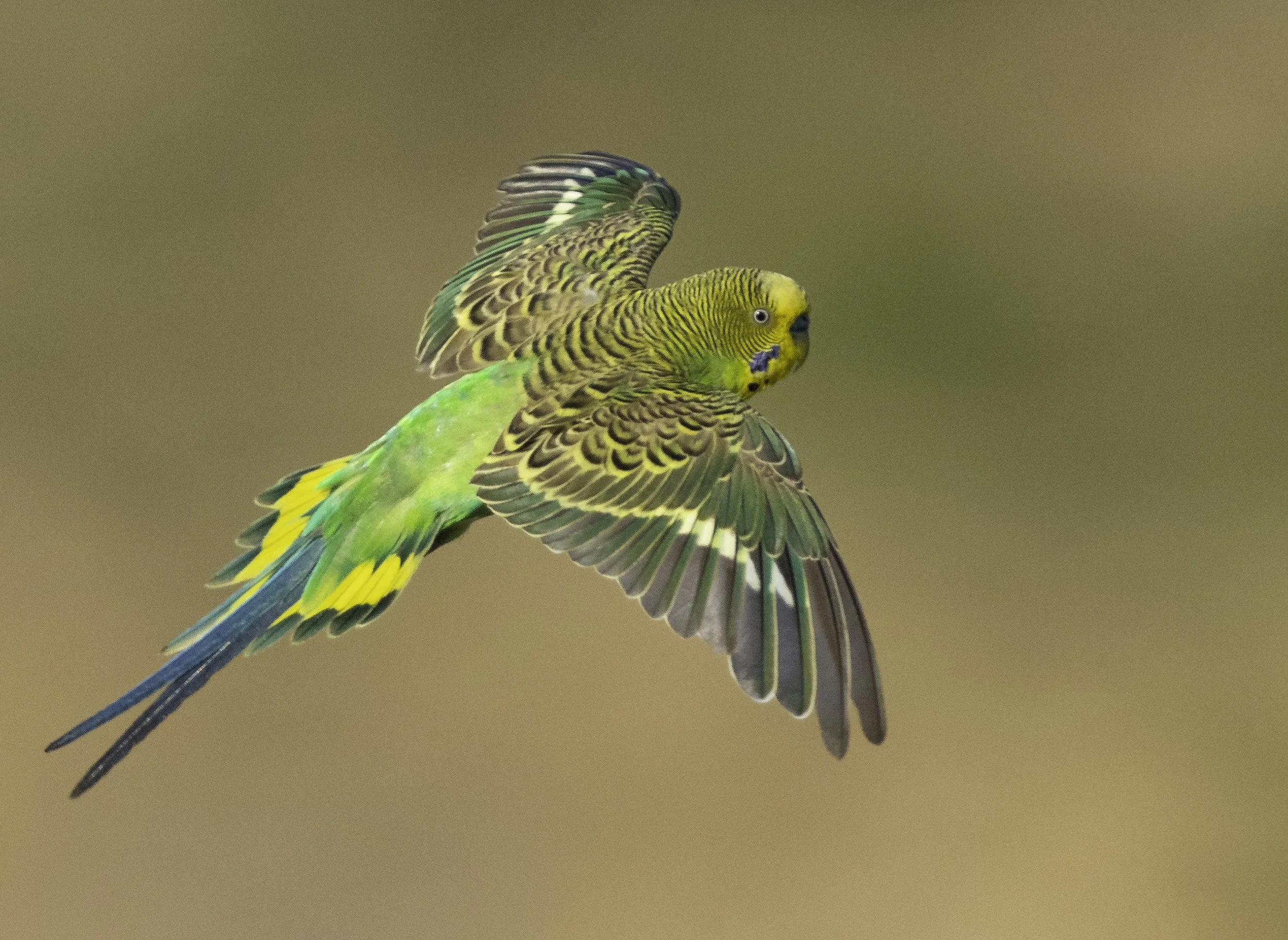
Budgerigar Melopsittacus undulatus
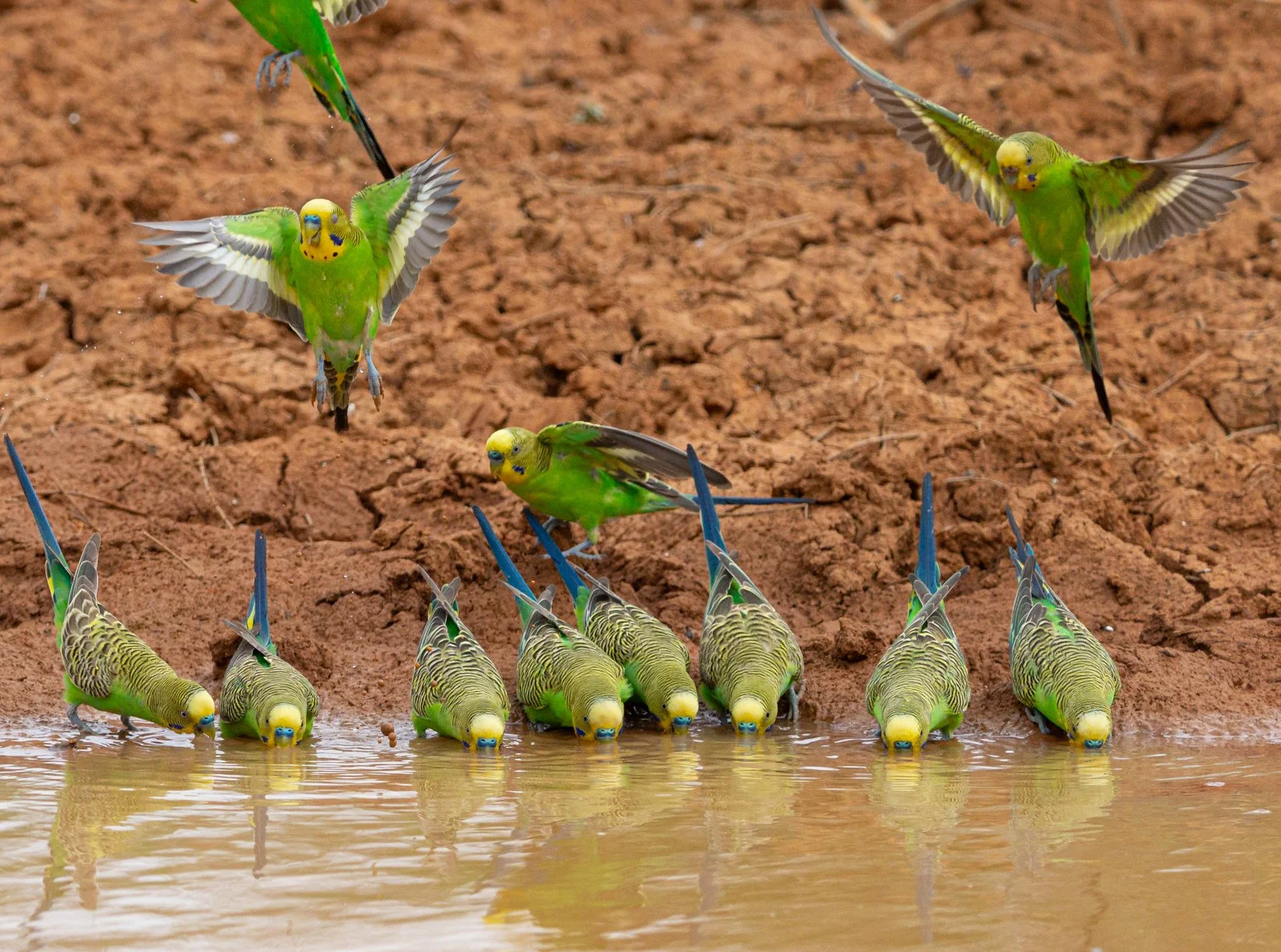
Budgerigar Melopsittacus undulatus
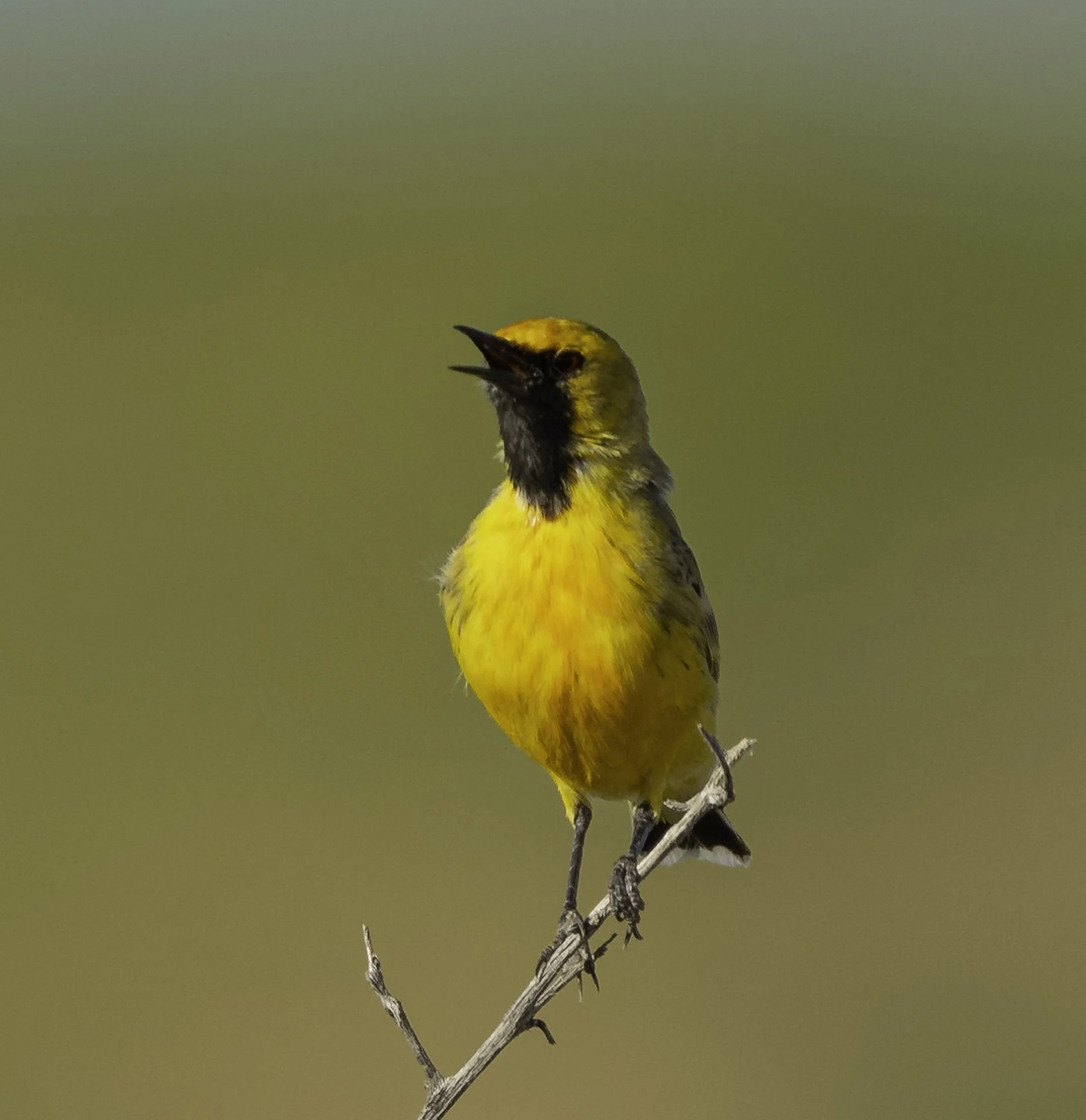
Orange Chat
Ephthianura aurifrons
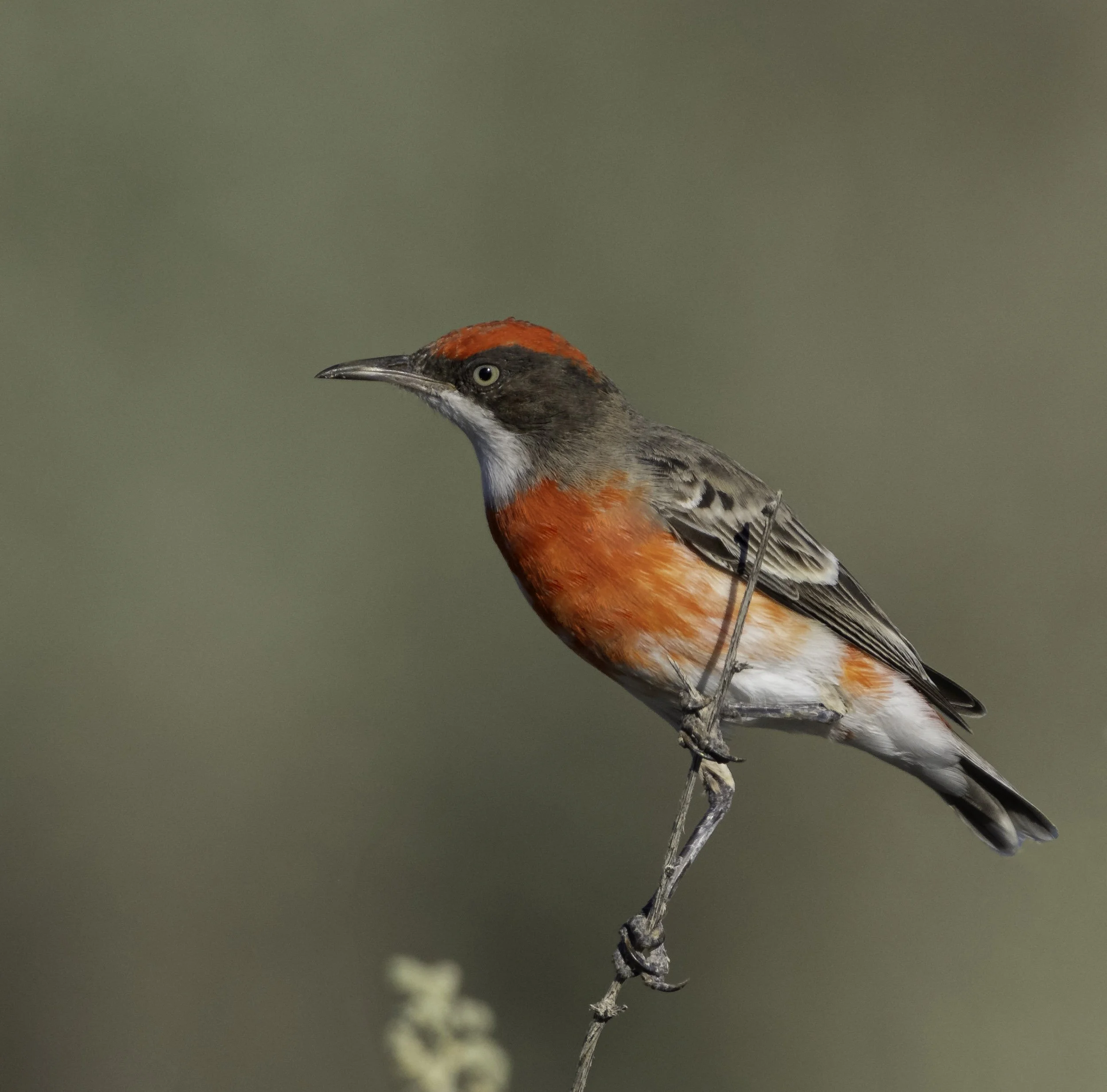
Crimson Chat (Epthianura tricolor)
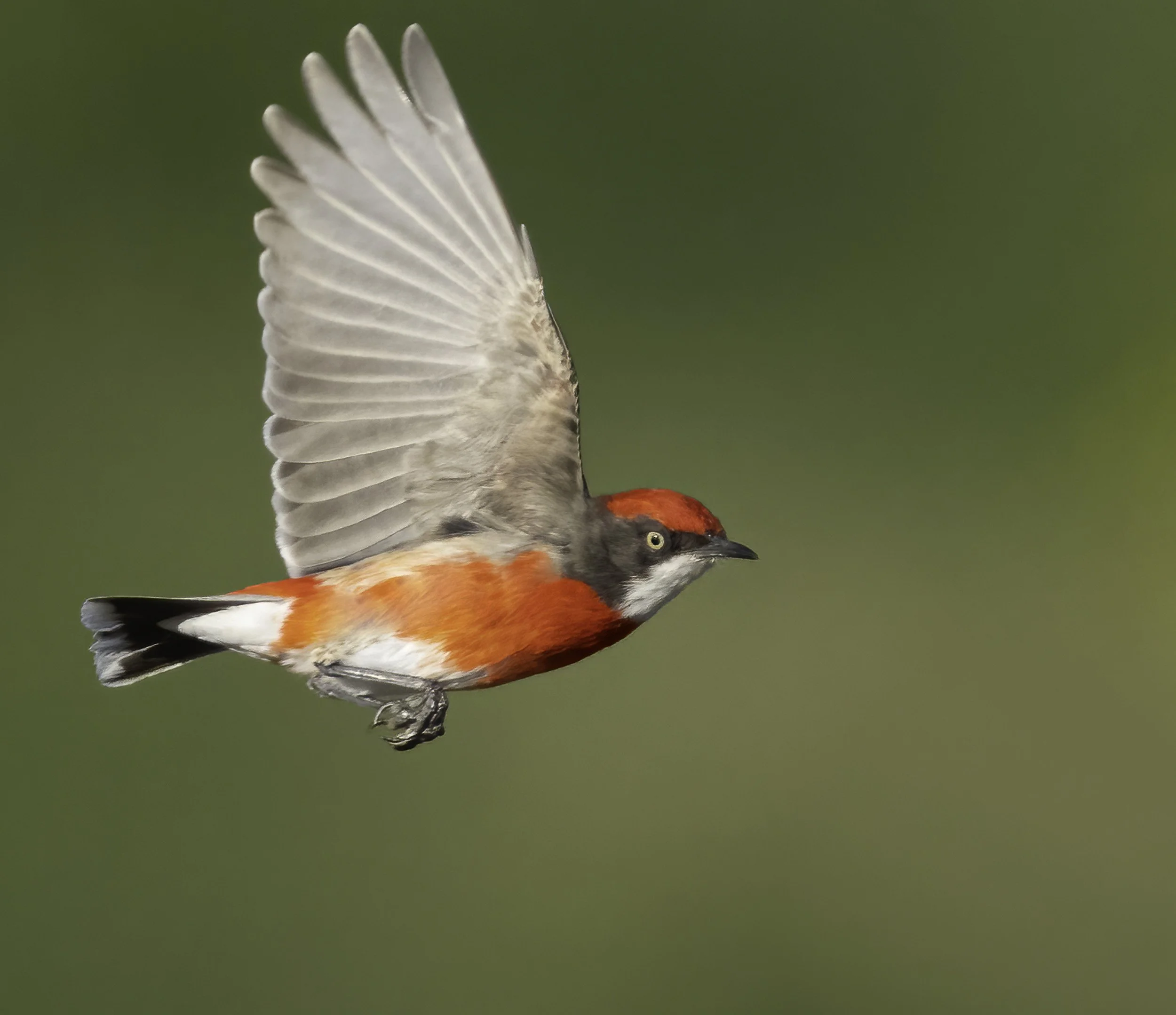
Crimson Chat (Epthianura tricolor)
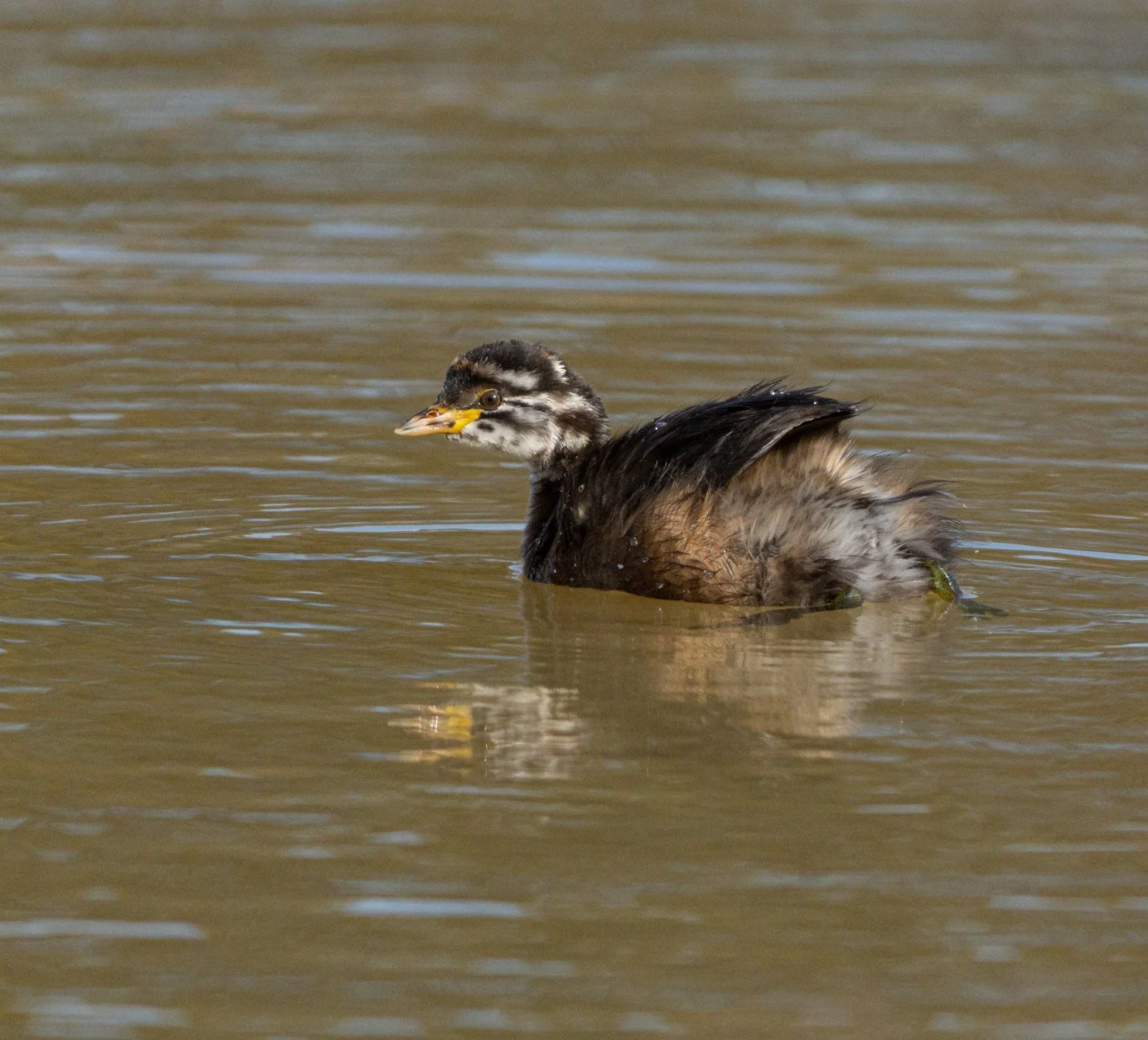
Australasian Grebe Tachybaptus novaehollandiae Small ducklike bird that rides low in the water. In breeding plumage note bright yellow eye, dark face, and rusty brown neck. In non-breeding plumage it is much paler, with the dark cap not extending below the eye (compare with Hoary-headed Grebe). Can be abundant; typically on freshwater ponds and lakes.
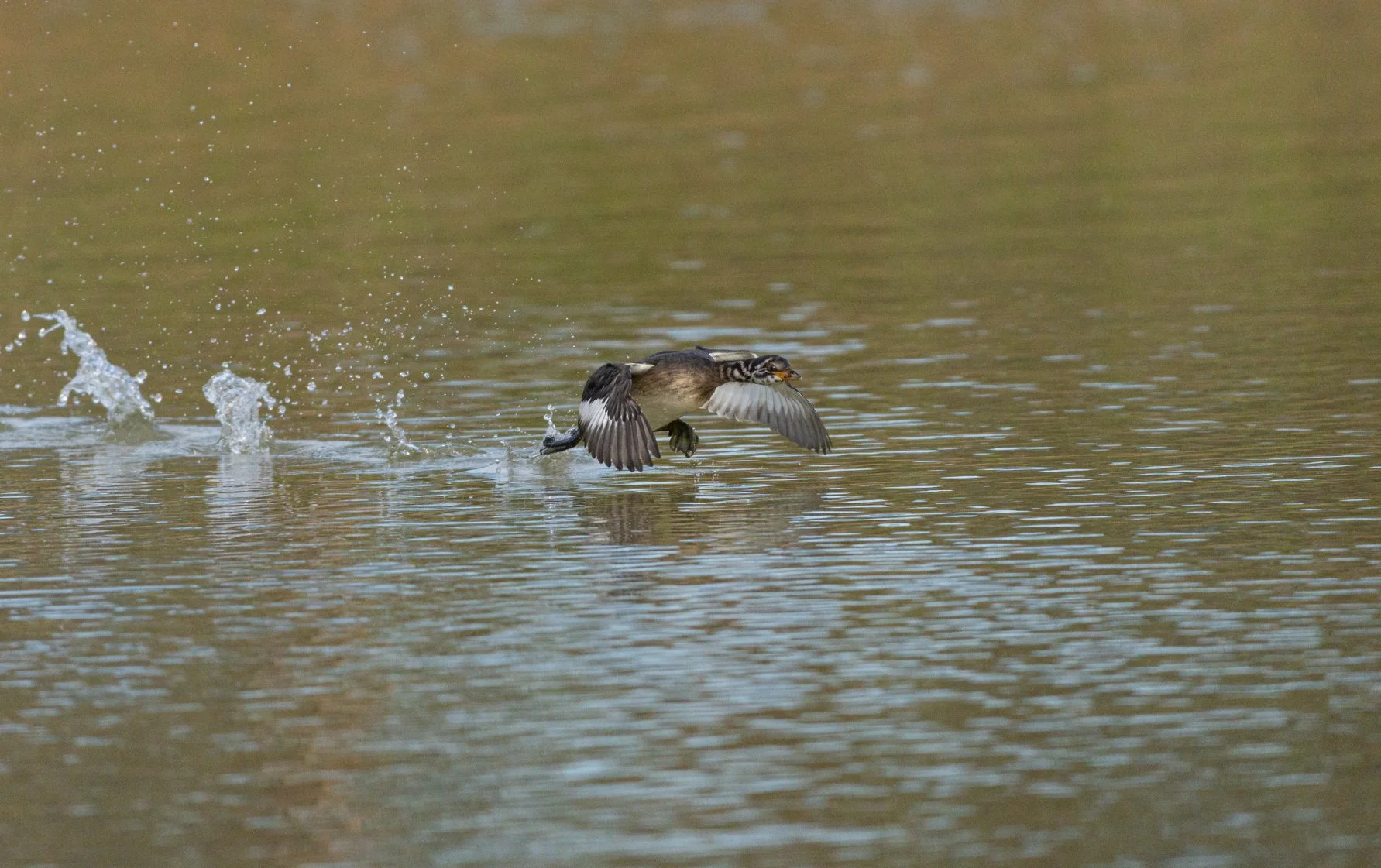
Australasian Grebe Tachybaptus novaehollandiae
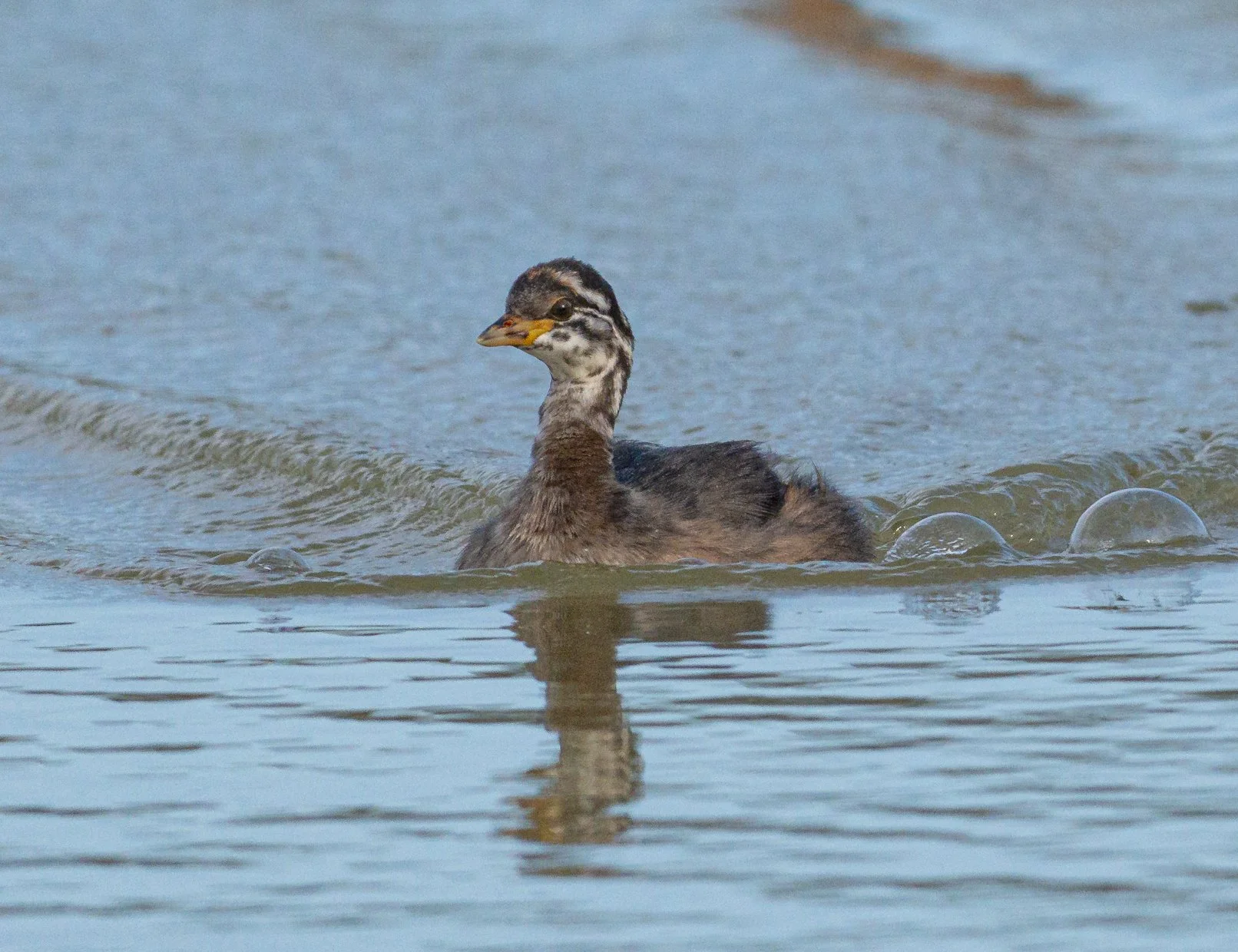
Australasian Grebe Tachybaptus novaehollandiae
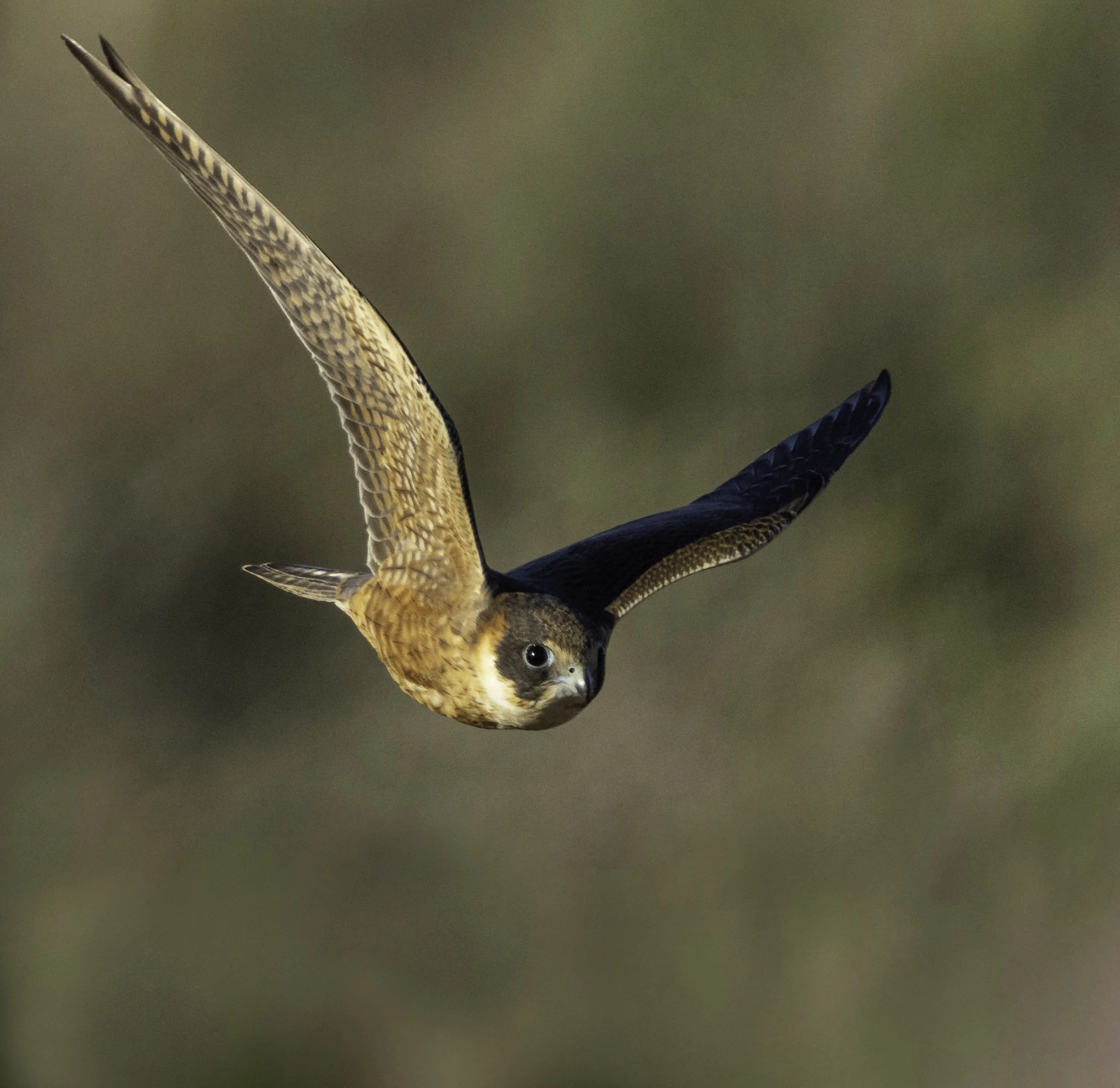
Australian Hobby Falco longipennis this little fast guy was having a great time busting up and chasing the Budgerigar’s all around the park
Small, dark falcon with rusty reddish underparts, dark gray to blackish upperparts, and long, thin and pointed wings.. Black markings cover cheek, eye, and crown (black hood much reduced compared to Peregrine Falcon). Captures airborne prey, mainly birds. Occurs in a wide variety of open habitats, including urban areas.
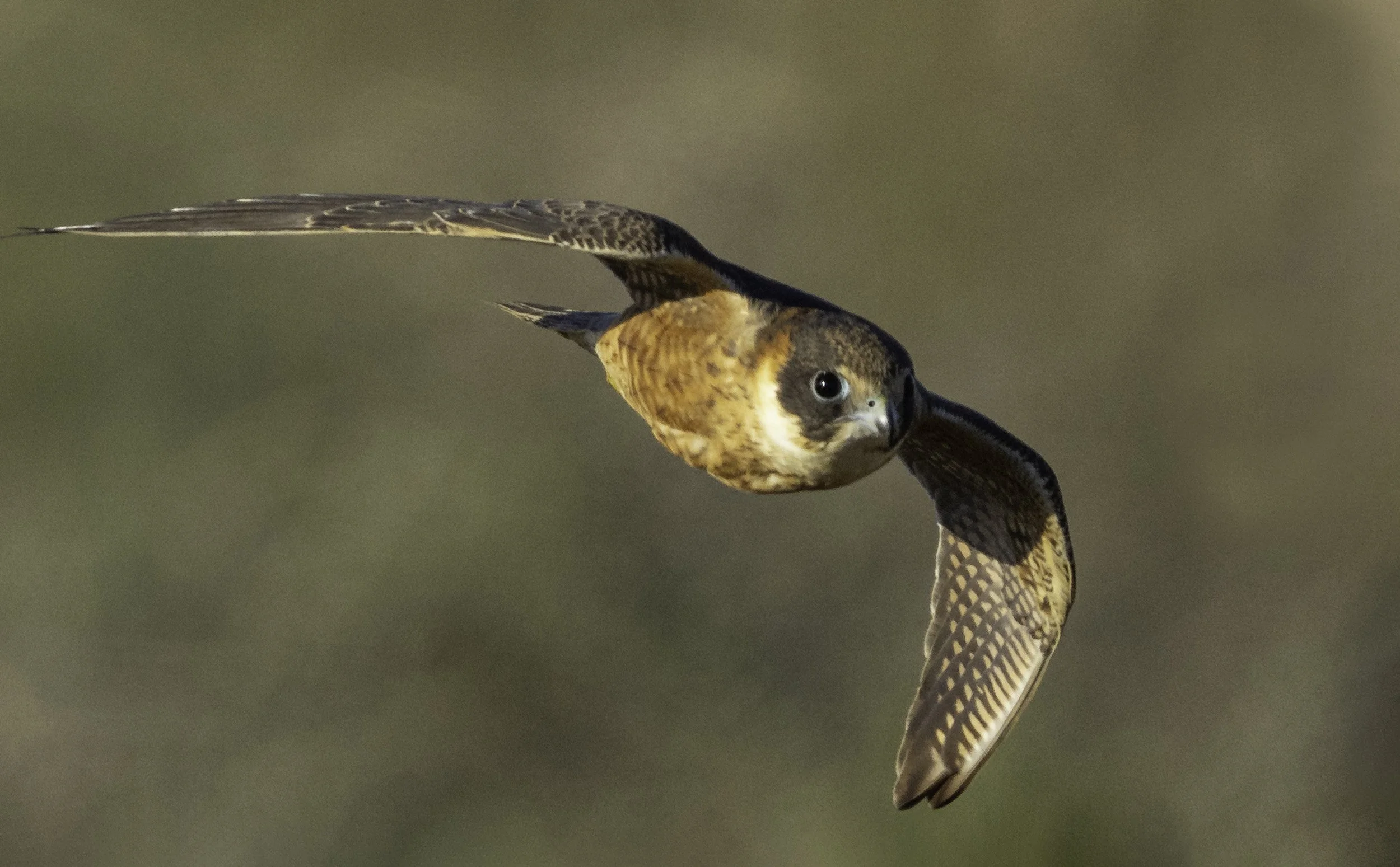
Australian Hobby Falco longipennis
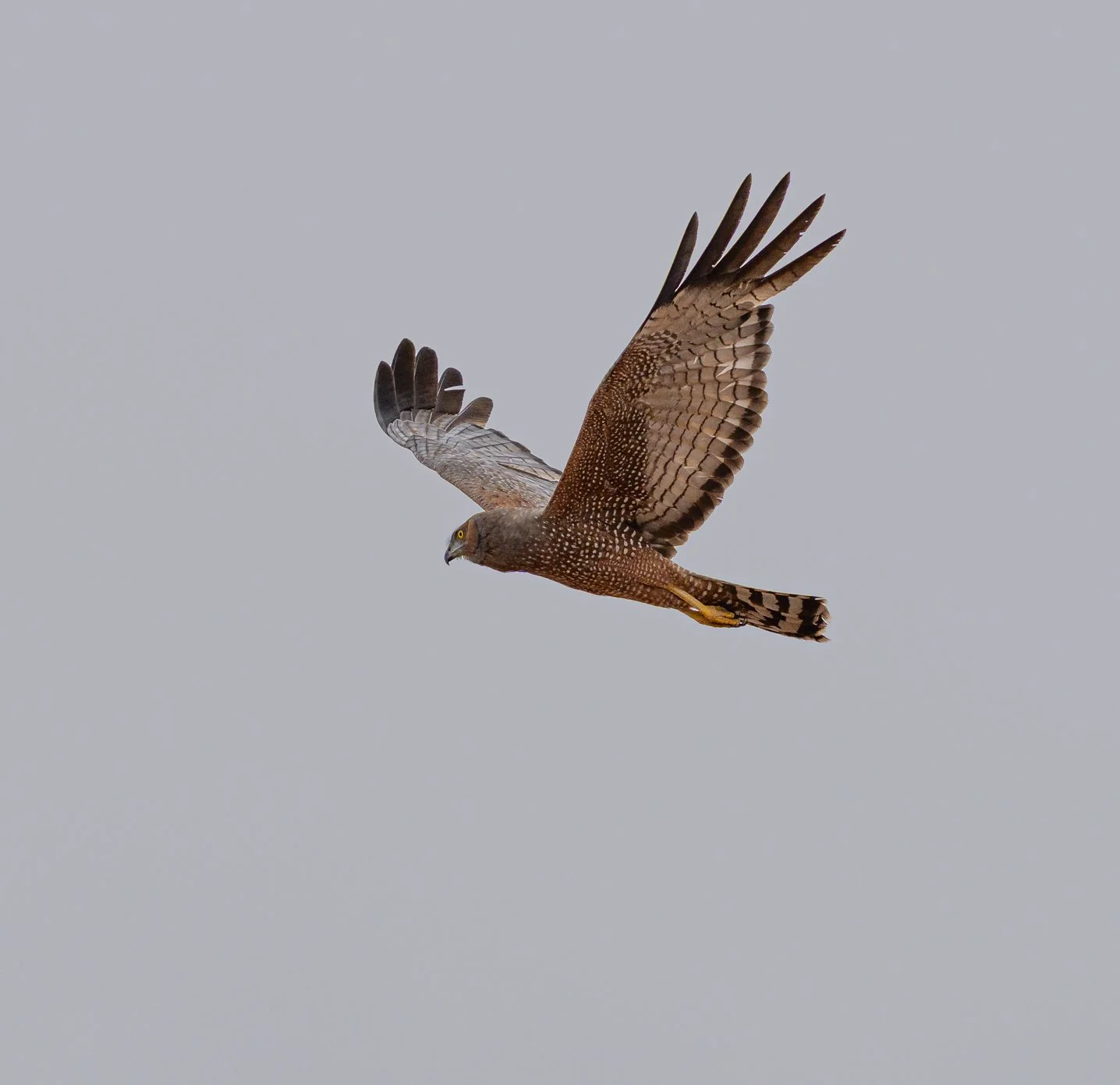
Spotted Harrier Circus assimilis Long-legged medium-sized raptor with long narrow wings. Adult has chestnut underparts with striking white spots; immature streaked below. Flies low at slow speeds over open habitats. Often perches on fence-posts. Occurs in drier habitats than Swamp Harrier.
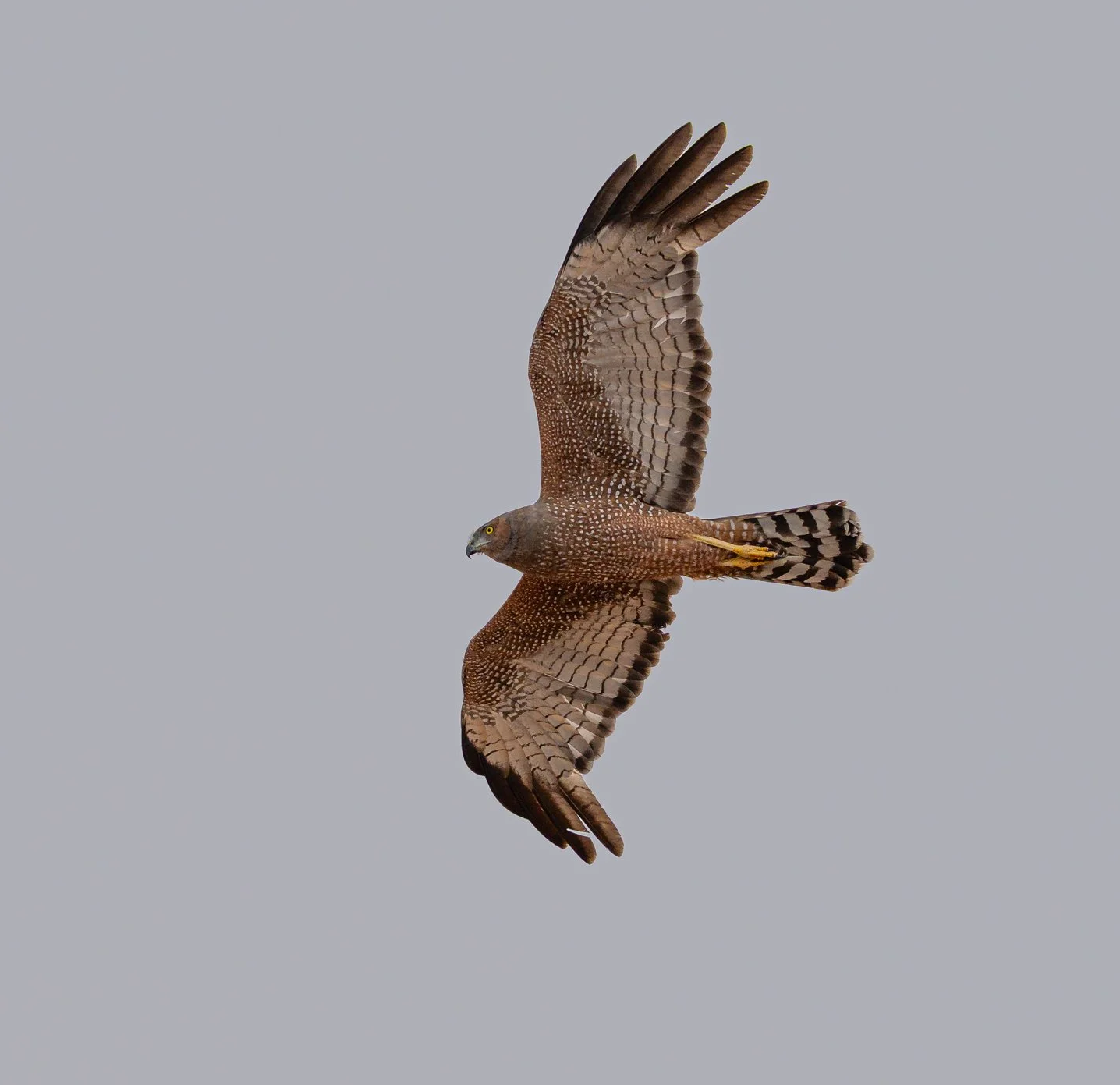
Spotted Harrier Circus assimilis
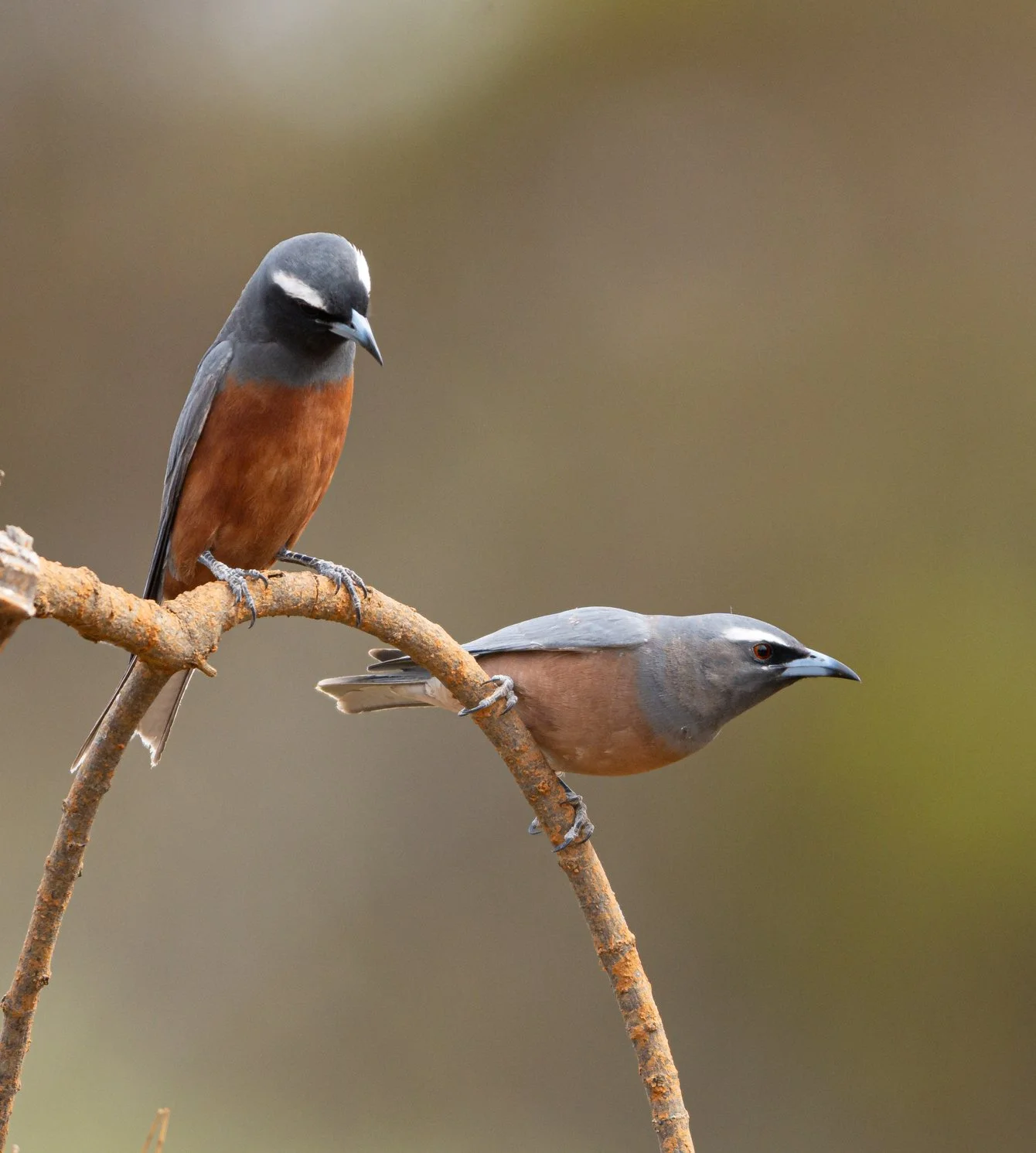
White-browed Woodswallow Artamus superciliosus Chunky bird with broad, triangular wings and short, decurved bill. Male dark gray above, dark orange-brown below, with dark gray face and throat and white eyebrow. Female similar in pattern but less richly colored. Whitish underwings contrast powerfully with dark underparts in flight. Often forages very high up in enormous flocks, sometimes mixed in with Masked Woodswallows.
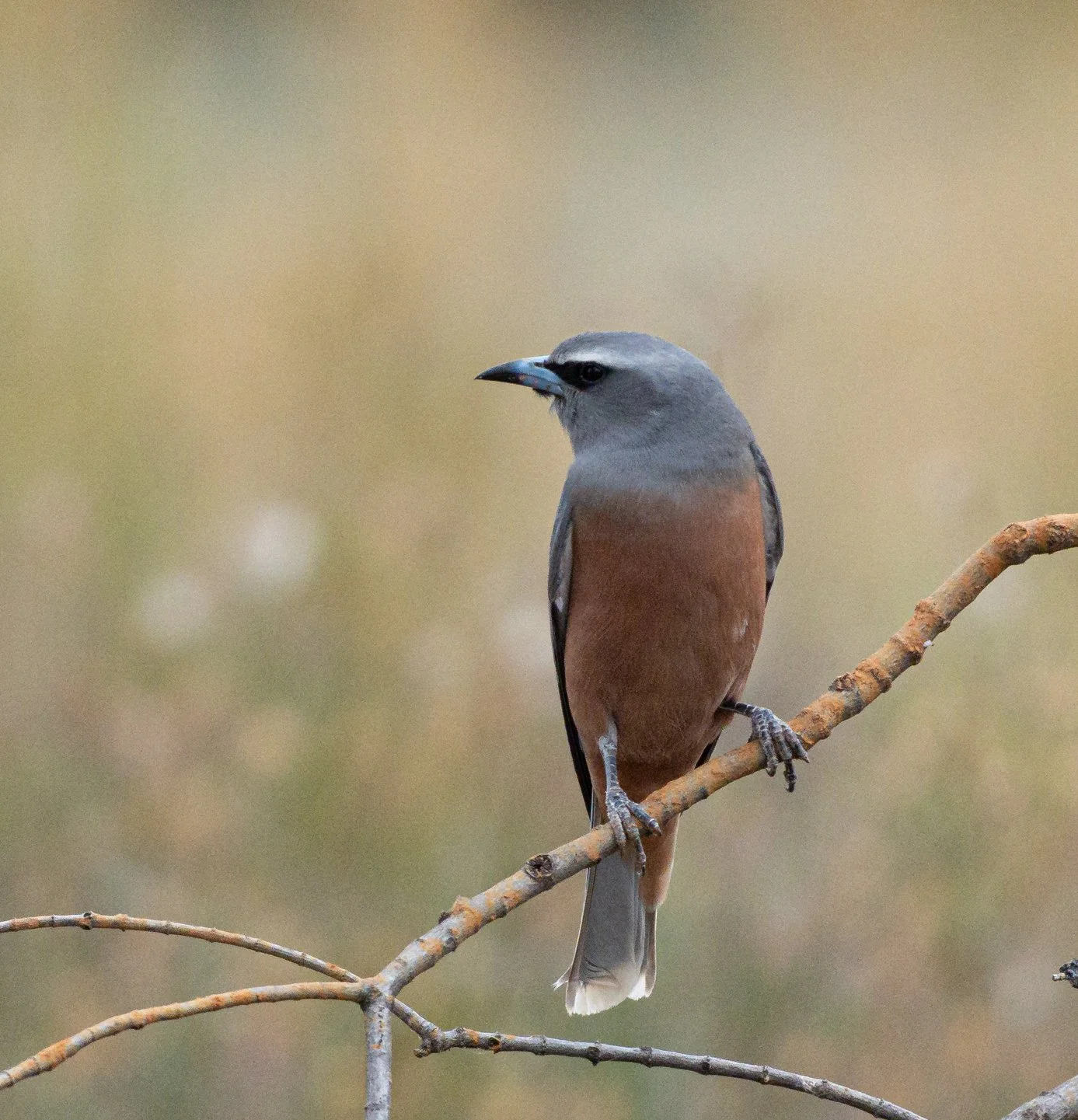
White-browed Woodswallow Artamus superciliosus
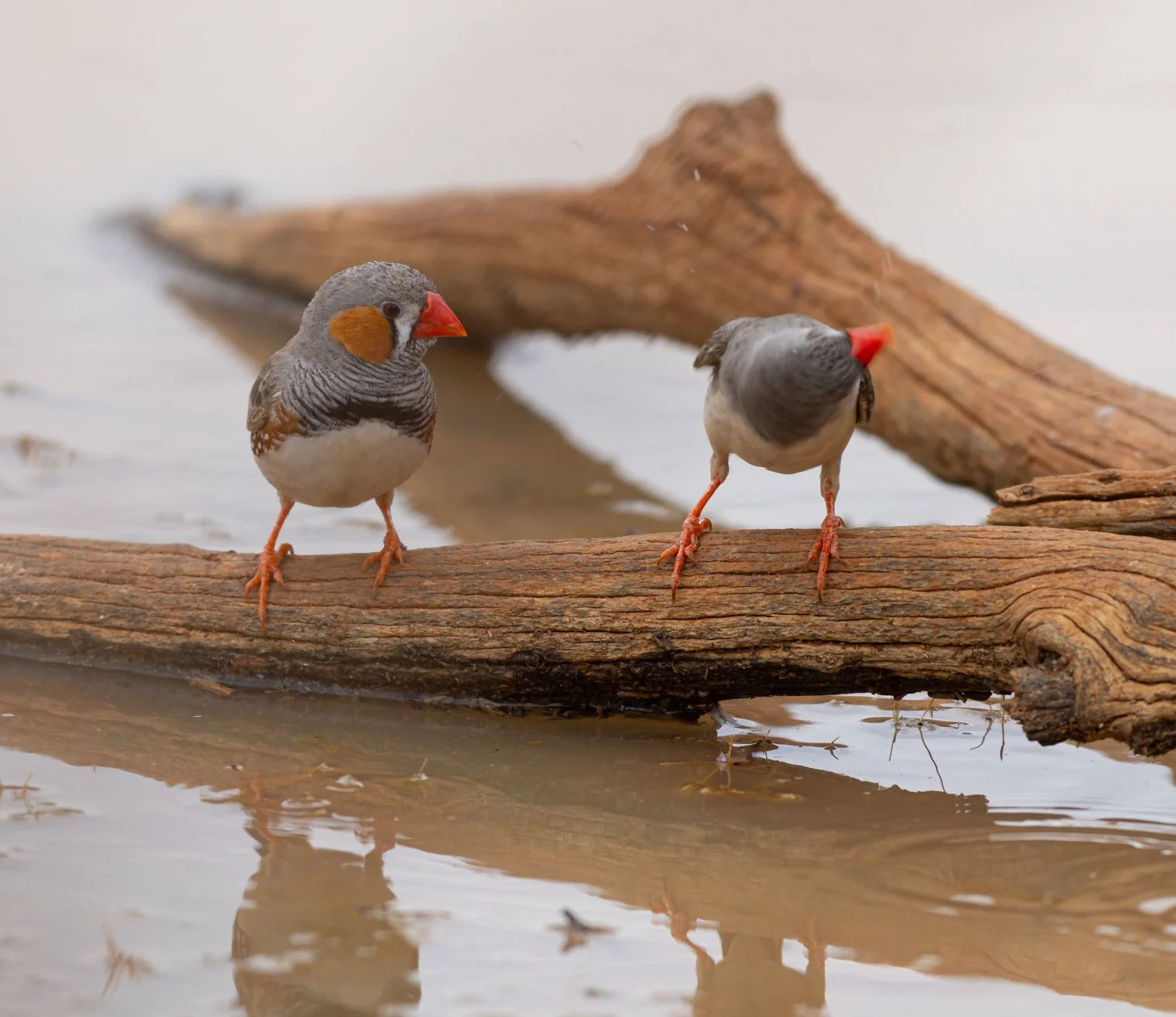
Zebra Finch Taeniopygia guttata
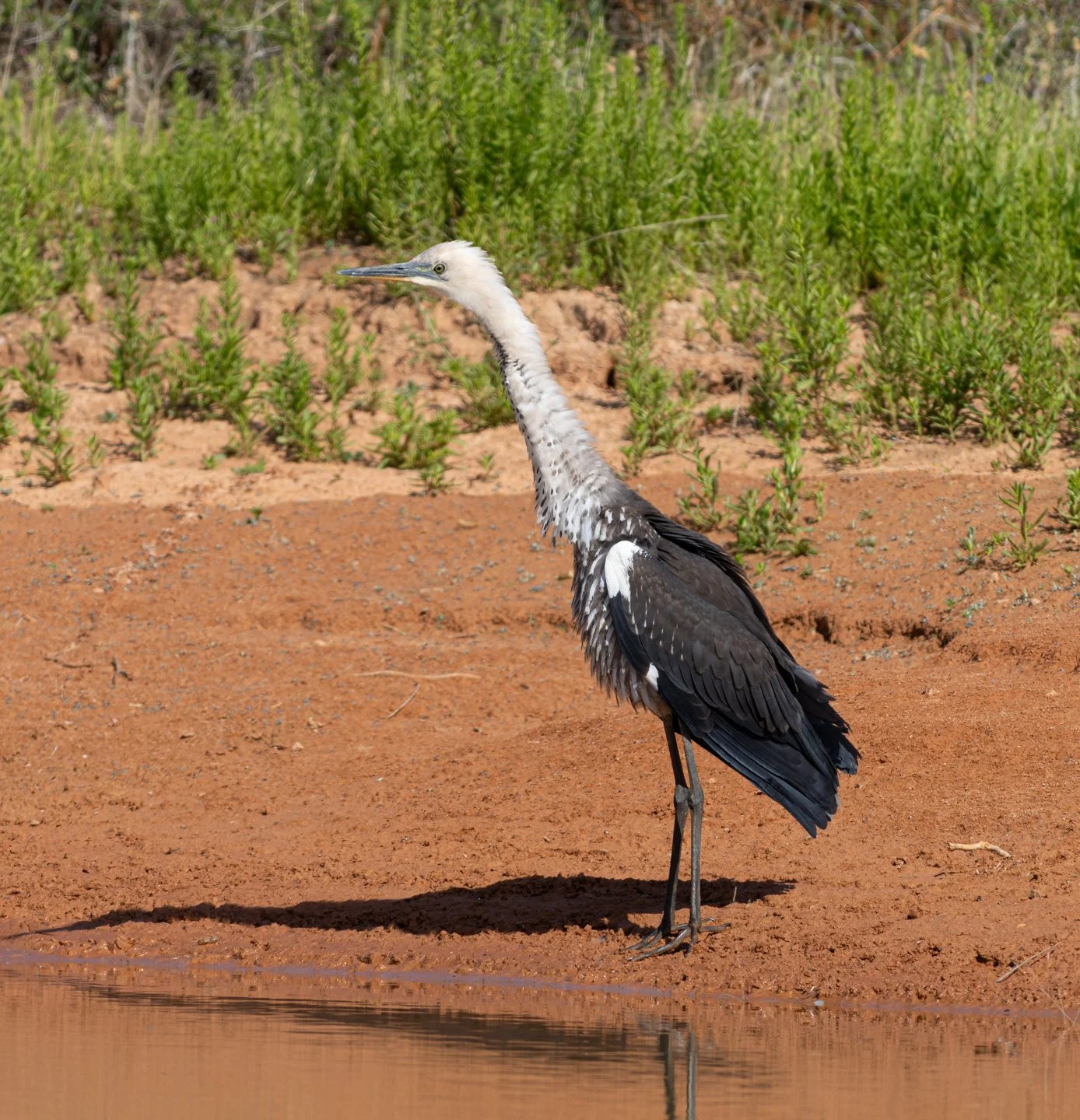
White-necked Heron Ardea pacifica -The White-necked Heron is a large heron with a white head and a long white neck with a double line of black spots running down the front. The upperparts of the body are slate-black, with plum-coloured nuptial plumes on the back and breast during the breeding season. Underparts are grey and streaked with white. The bill is black, the naked facial skin is blue or yellow, the eyes are green, and the legs and feet are black. In flight, it has large white “headlight” spots on the carpal joint (bend of the wing). The White-necked Heron is sometimes known as the Pacific Heron.
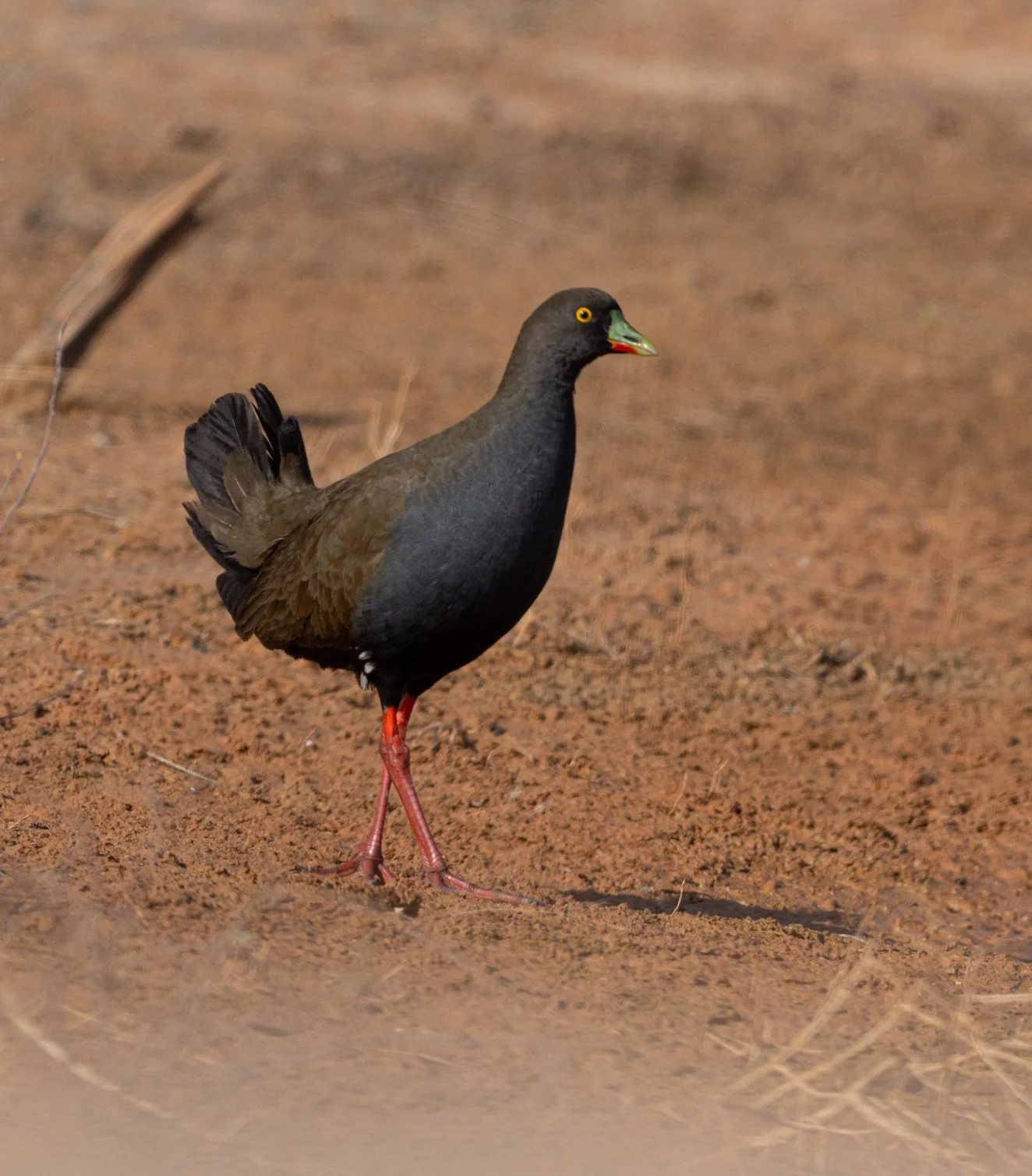
Black-tailed Nativehen Tribonyx ventralis Small waterhen with an erect black tail (no white edges) resembling that of a domestic chicken. Note pale green base to the bill with a yellow tip and a red spot, bright red-pink legs, and pale spots on flanks. Frequents locations around inland wetlands, and is usually seen on land rather than in the water. Can occur in large numbers. Hard to approach, and when disturbed runs away fast. Tends to be less vocal than other waterhen species.
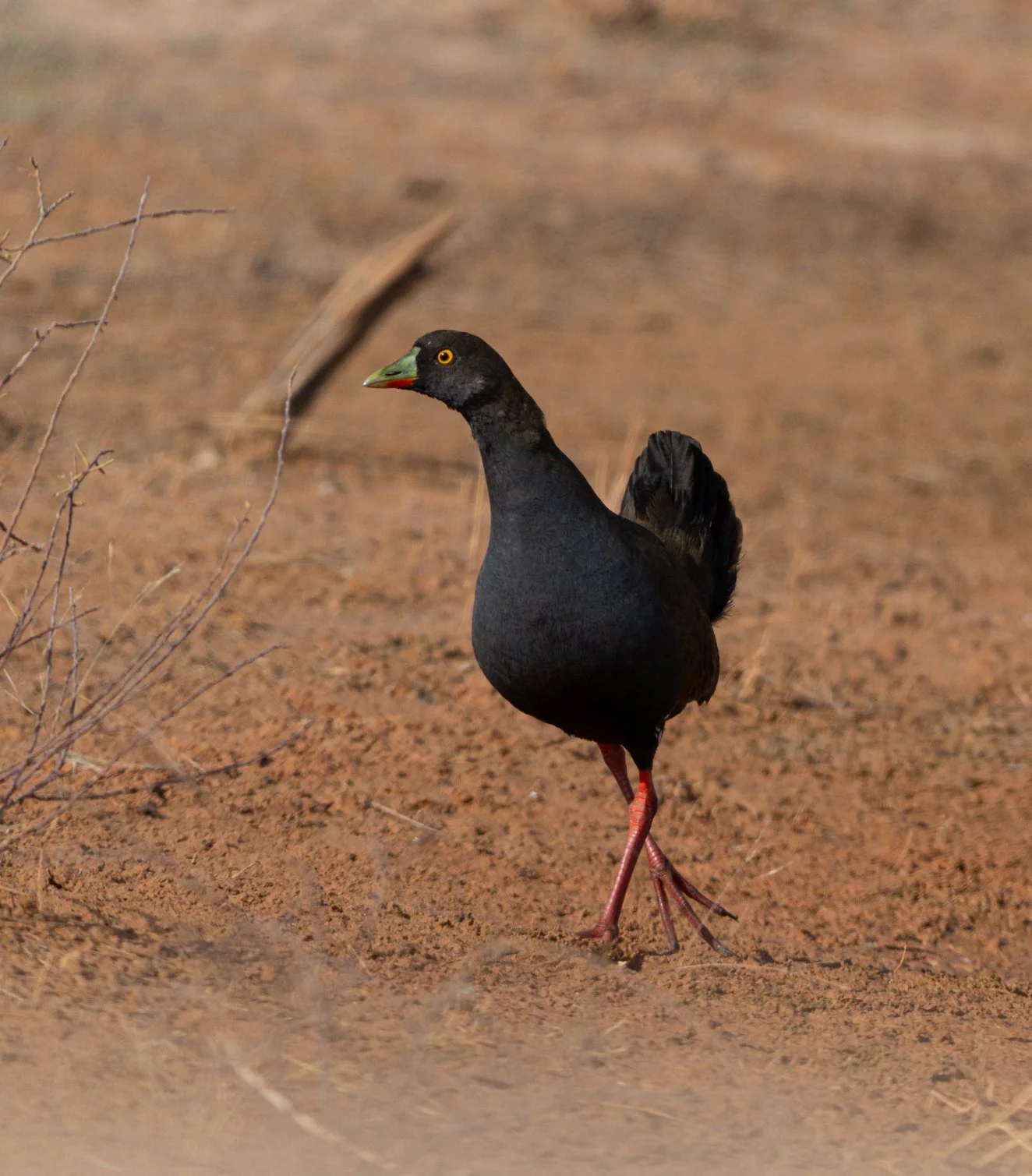
Black-tailed Nativehen Tribonyx ventralis
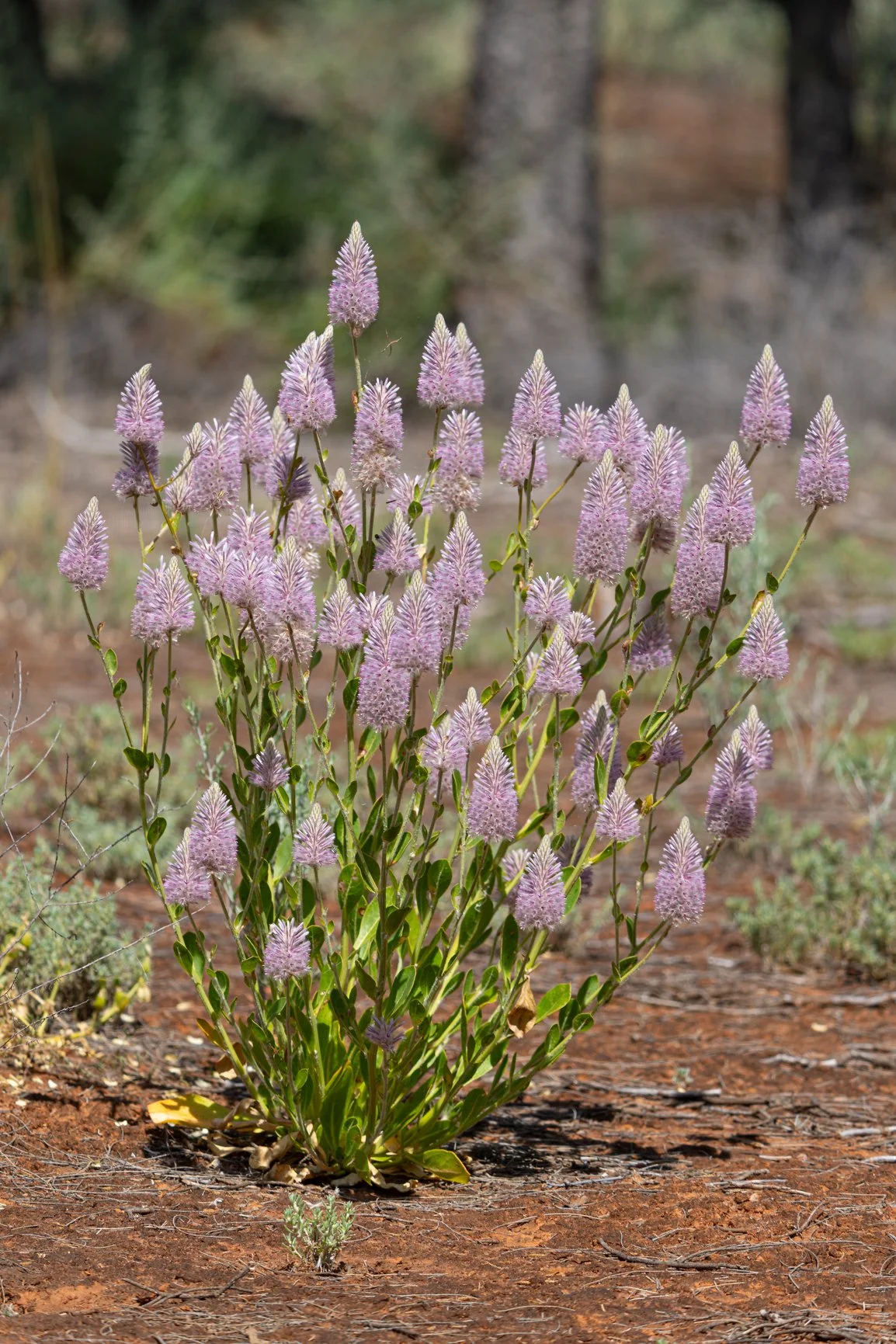
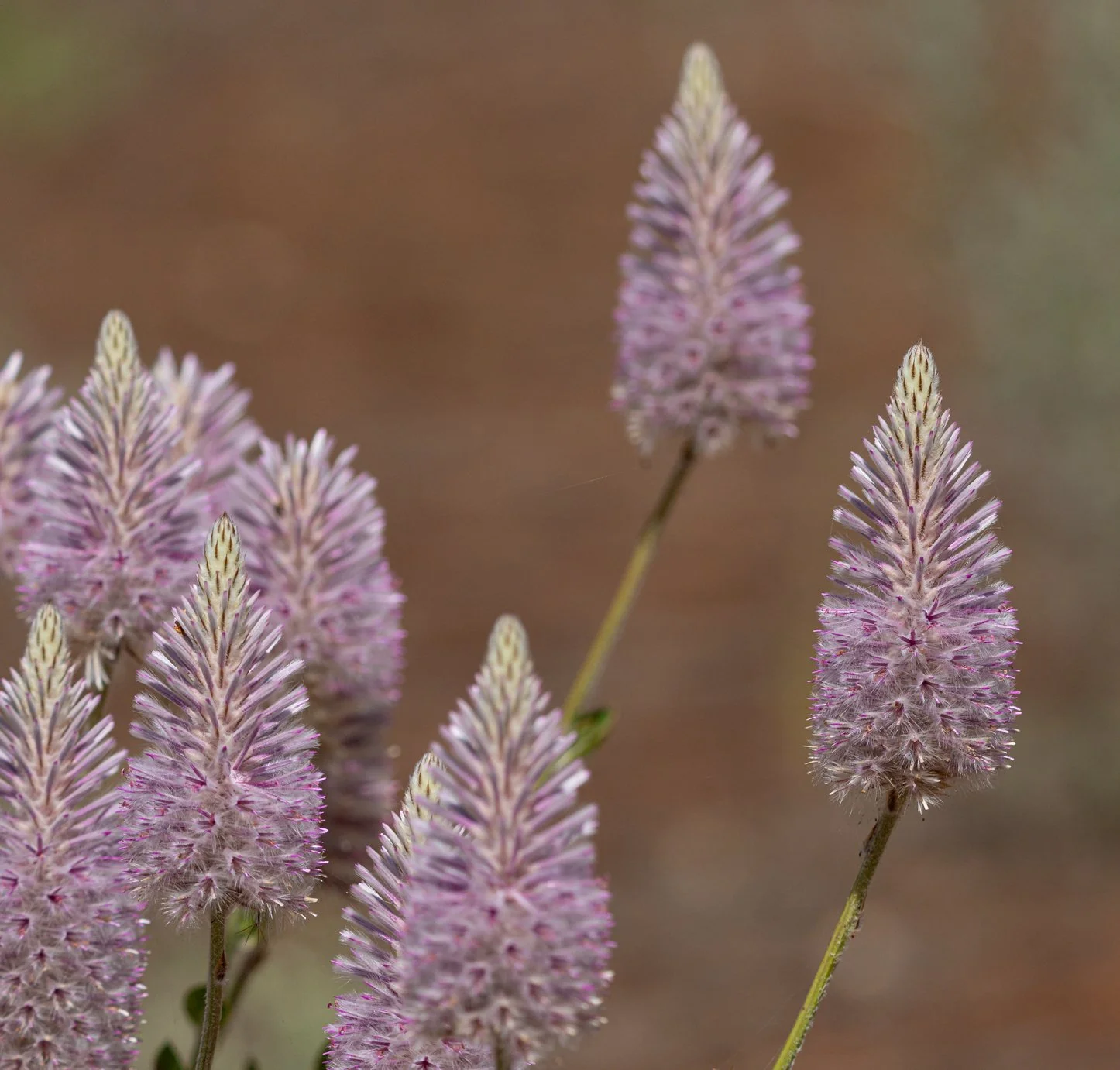
More images to come….
A huge thank you to all the Rangers and volunteers who put in all the hard work and up keep for looking after this amazing reserve, such a great place to visit and one I will be looking forward to coming back again soon.
Gluepot is located about 64kms from Waikerie, which is on the Sturt Highway (Highway No. 20) about 200kms from Adelaide.
Visitors should proceed into Waikerie, cross the Murray River on the car ferry and then follow the fingerboards as displayed.
Additionally, there are signposts at the turnoff to Waikerie on the Sturt Highway, at the junction of Taylorville and Morgan-Renmark Roads (10 kms from the ferry), at Lunns Rd, right turn (another 3 kms) at the Christadelphian (Ecclesia) Hall, and on the track into Gluepot.
Distance is 64kms (about 50kms of which is unsealed) and approximate travelling time from Waikerie is 1.25 to 1.5 hours depending on vehicle.
Gluepot email is gluepot@gluepot.org and Rangers (if at the homestead) may be reached on (08) 8892 8600.
Further information about the reserve can be obtained at their twebsite www.gluepot.org.
If passing through Waikerie, information about Gluepot including the status of access roads can be obtained at the Waikerie Visitor Centre (Phone: 85410708) located in the Waikerie Library.